You have decided to sell the LEGO collection that has taken over the spare room. Now the real question is how to turn boxes of bricks into money without giving valuable sets away or spending six months sorting low-value pieces.
For most Australian sellers, the best result comes from matching each part of the collection to the right sales channel. If you want a faster option without creating individual listings, Bricko can assess a single item or a full collection for direct purchase.
Here is how to sort, value and sell a LEGO collection in Australia while balancing price, effort and risk.
Step 1: Sort and assess the collection
Before selling anything, work out what you have. Separate genuine LEGO from clone brands and unrelated toys, then divide the collection into practical groups:
- factory-sealed sets
- opened but complete sets
- built sets with instructions
- incomplete or unidentified sets
- loose bulk bricks
- complete and incomplete minifigures
Minifigures deserve separate attention because complete figures can be worth considerably more than ordinary loose bricks. Photograph them clearly and do not bury them in a bulk lot. Specialist services such as Minifigures.com.au also buy genuine used minifigures.
Do not dismantle an assembled set if it may be complete. Record set numbers from boxes or instruction books, photograph identifying details, and weigh loose LEGO without tubs or packaging. Condition matters, so note missing pieces, yellowing, odour, damaged boxes and sticker wear.
Step 2: Choose the right selling channel
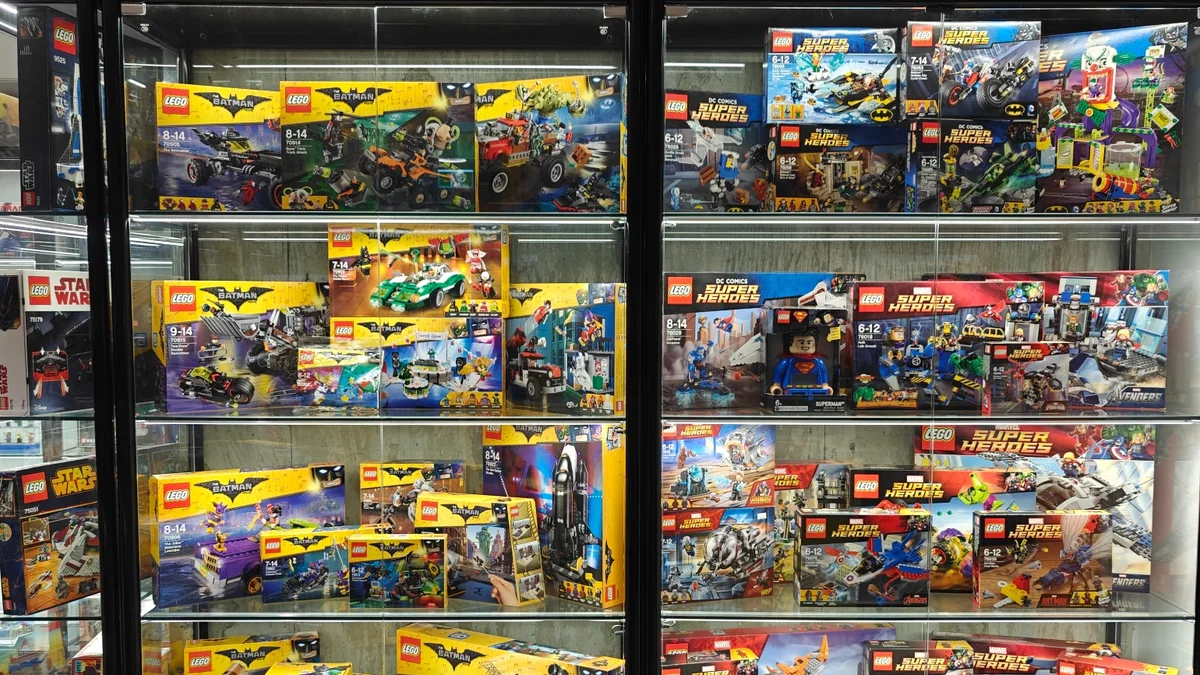
No single channel is best for every collection. Choose according to the value of the items, the time you can spend and how quickly you want to be paid.
| Channel | Best for | Main trade-off |
|---|---|---|
| Direct buyer | Whole collections, sealed sets and sellers who value speed | Less listing work, but the offer is normally below the eventual retail price |
| Consignment | Rare or high-value items that benefit from specialist presentation | Potentially higher return than a direct sale, but payment comes after the item sells and commission applies |
| eBay Australia | Rare, sealed or valuable sets with broad buyer appeal | You handle descriptions, packing, postage, returns and any applicable account costs |
| BrickLink | Collector sets, minifigures and individual parts | Specialist audience, but detailed inventory and fulfilment take time |
| Facebook Marketplace or Gumtree | Complete sets, large lots and local pickup | Low setup cost, but expect negotiation, no-shows and scam attempts |
| Specialist bulk buyer | Loose genuine bricks and the lower-value remainder | Fast and convenient, but priced as a wholesale purchase rather than a retail sale |
Availability check, 16 October 2026: Bricktastics advertises Australia-wide collection quotes. BrickResales says its general used-LEGO intake form is temporarily paused while it catches up, although it still invites spreadsheets for new sets. Brick Cycle says it is not currently accepting trade-ins because its storage room is full. Check each buyer’s current intake status before packing or shipping anything.
Step 3: Use a hybrid selling strategy
You do not have to sell the entire collection in the same way. A practical hybrid strategy is:
- Sell individually: sealed sets, retired sets, licensed themes, rare minifigures and complete large sets.
- Bundle by theme: ordinary complete sets from themes such as City, Friends and NINJAGO.
- List locally: incomplete sets, large mixed lots and unidentified loose bricks.
- Use direct purchase or consignment: choose direct purchase for speed, or Bricko consignment when a rare item may justify specialist presentation and a longer sales process.
- Send the remainder to a bulk buyer: request a current quote rather than relying on an old per-kilogram rate.
Key takeaway: Sell the valuable pieces individually or through a specialist, bundle the ordinary sets, and bulk off the remainder. Do not sell rare complete sets by weight.
Step 4: Price from completed sales
For each valuable set, search the exact set number and compare completed sales in Australian dollars. Use eBay sold listings and BrickLink sales data rather than optimistic asking prices. Adjust for completeness, instructions, box condition, missing parts, yellowing and odour.
BrickEconomy can provide another market estimate, but an estimate is not the same as a completed sale. For a transparent example of how condition, completeness, demand and resale costs affect an offer, see how Bricko values collections.
For bulk lots, state the net LEGO weight, major themes, whether minifigures are included and that the lot is sold as is. Do not claim that a set is complete unless every part has been checked.
Step 5: Check fees and tax before accepting an offer
Calculate the amount you will actually keep: sale price minus any platform charges, optional promotion fees, postage, packaging, insurance, refunds and applicable tax.
- eBay Australia: as at 16 October 2026, eligible Australia-based sellers without a Pro plan and with no more than A$25,000 in eBay sales over the previous 12 months can qualify for free selling. Optional upgrades, international delivery, seller-performance charges and Pro-plan fees may still apply. Check your account and the current eBay fee page before listing.
- BrickLink: seller order fees are tiered and calculated in US dollars, starting at 3% for the first US$500 of an order batch. Payment processing and shipping costs are separate. Review the BrickLink Fees and Billing Policy.
- Gumtree: Gumtree Pay is currently free for sellers, although optional listing features or category-specific charges can apply.
- Direct buyers: there is normally no marketplace commission, but the purchase offer accounts for the buyer’s resale work, costs and inventory risk.
Tax treatment depends on why you owned the LEGO and how regularly you sell. Selling personal possessions occasionally is different from buying stock for resale or operating in a business-like way. The Australian Taxation Office treats income from a commercial online-selling activity differently from the disposal of personal-use assets, and investment assets may also have capital gains consequences. Do not assume every collectible toy falls within the tax law’s specific definition of a collectable. Keep purchase and sale records, and obtain Australian tax advice if the amounts are substantial, repeated or profit-driven.
Step 6: Sell safely
Keep communication inside the selling platform where possible and use the platform’s recommended payment method. Confirm that cleared funds appear in your own account rather than relying on a screenshot or email. Be cautious if a buyer offers more than the agreed price, asks for a refund of the difference, sends an unexpected courier link or pressures you to move the conversation off-platform.
For local pickup, use a safe location and do not hand over the collection until payment is confirmed. For shipped sales, photograph the contents and packaging, use tracking and consider insurance for high-value items. The Australian Government’s Scamwatch guidance on buying and selling scams recommends secure platform payment methods and checking that the payee details match the person or business involved.
The takeaway
Selling a LEGO collection in Australia is a sorting problem first and a selling problem second. Identify the valuable pieces, compare completed sales, and choose a channel that matches the time and effort you can invest.
Sell rare or complete items individually or through a specialist, bundle ordinary sets, list suitable bulk lots locally and obtain a current quote for the remainder. Check fees and intake status on the day you list, keep records, and use secure payment and shipping methods.